Your DoFollow Backlinks May Be Losing Value, Here’s How
We analyzed over 200 million links from more than 300,000 guest-posting websites.
Within a three-month period, 0.45% of those links had changed. Meaning, their value was significantly reduced.
That 0.45 percentage may sound small. But at scale, that’s a huge number. 0.45% of 200 million amounts to 900,000 links. That’s roughly 300,000 backlinks becoming almost useless each month!
If you’re investing in link building, you’re losing your investment’s worth with these altered links. Here’s how.
How Backlinks Lose Their Value
The backlinks that are changed to become worthless still look normal to the naked eye.
The link still exists on the webpage and still redirects to the client’s website. But the back-end has been changed.
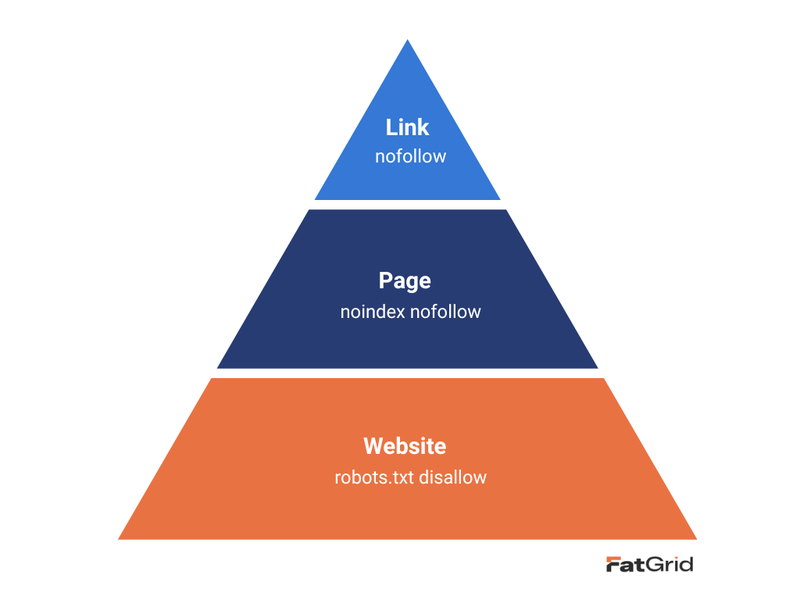
Based on our analysis, the guest post backlinks clients invested in lost value in one of three ways:
- The link was changed to rel="nofollow" attribute
- The page was updated with <meta content="noindex"> tag
- The site's robots.txt blocked the page from crawlers
#1: The link became nofollow
When you invest in building links through guest posts or link insertions, you want a do-follow link.
For context, dofollow links pass authority (often called link juice) from one site to another. The webpage receiving the dofollow link potentially gains authority and ranks higher in search results.
Nofollow links, on the other hand, do not pass authority from one site to another. While a nofollow link isn’t completely worthless, it’s still subpar compared to a dofollow link.
On the webpage, though, you can’t distinguish between dofollow and nofollow links. Both look the same.
To check whether a link is dofollow or nofollow, you have to inspect the HTML tags:
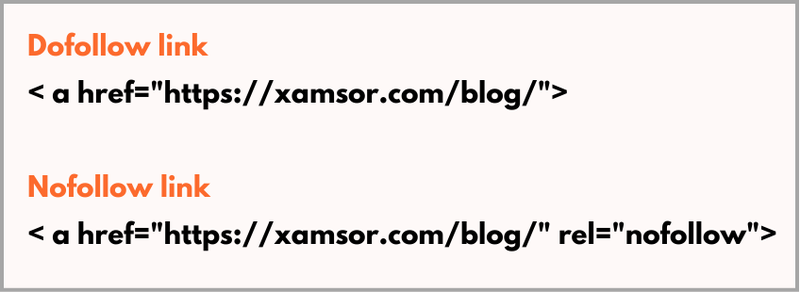
Back to our analysis. A good chunk of the backlinks clients invested in were dofollow in the beginning. But the guest posting publishers modified them to nofollow after a few months. The backlink value has now dropped despite the client paying for a dofollow placement.
#2: The page was updated with a noindex tag
When a page receives a <meta name="robots" content="noindex"> tag, search engines are instructed not to include it in search results.
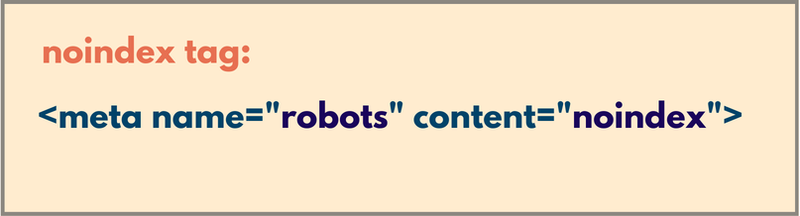
So the noindex webpages with your backlinks won't appear in search results. As a result, the backlinks have little to no value.
Clients who invested in these backlinks only to see noindex pages added later, to put it bluntly, are getting robbed. The backlink technically remains on the page. But the page itself is removed from search visibility.
#3: The site's robots.txt blocks the page
Another sneaky way link publishers devalue placements is by disallowing search engine crawlers from accessing a page.
Publishers update their robots.txt file to block crawling of specific URLs or directories. This includes the pages where your backlinks are live.
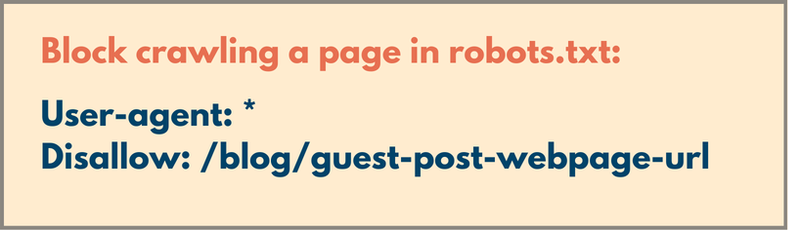
Search engines can no longer crawl or visit these blocked webpages, which means the links have now become worthless.
Why This Matters
Backlink value is cumulative. Links add up to build a site’s authority over time.
But when those links get altered, your SEO and link-building efforts are vastly diminished. Between outreach, content creation, and placement fees, a single quality backlink can cost around $200, and usually far more from high-authority sites.
So, with these altered links offering little to no value, you're not just losing out on authority, SEO efforts, and lower search ranking, but also the money you spent to acquire them.
In all three cases discussed above, the backlinks still look fine to the naked eye when you visit the page. But from Google's perspective, the link value has significantly reduced.
The website owners don’t remove the backlink outright, but they use these workaround measures to make link placements “almost” worthless.
We say “almost” because nofollow links, while not as good as dofollow links, still offer some advantages. Pages with noindex tags are significantly low value, though. But the worst are blocked webpages in robots.txt. Links from these webpages are completely useless.
So, to ensure your backlinks aren’t altered, you have to monitor them.
Monitoring Backlinks
So what's the solution?
How do you track backlinks that still look functional but have lost value? How do you track them and make sure the publisher isn’t using the tricks above?
One option is to maintain a spreadsheet of all your backlinks and manually check them on a regular basis.
The manual check wouldn’t just be to see if the link still exists, but also to confirm they’re still dofollow, the webpage is still indexed, and isn’t blocked on robots.txt.
It would be a slow, tedious process, though.
The second and better option is to use a tool to monitor backlinks. And that’s where FatGrid’s Backlinks Monitoring tool can help you.
This tool tracks your links and checks whether they’re still live and functioning. You can quickly see which backlinks are healthy and which have been altered. The ones which are dofollow and pass authority, and the ones which don’t.
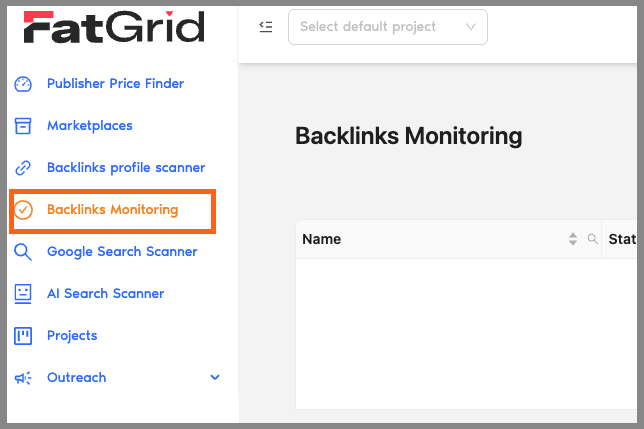
This way, you make sure your link-building investment isn’t wasted, and ensure link publishers aren’t indulging in any trickery to alter the backlink value.
Try the Backlinks Monitoring tool here.
Have something to say? Join the discussion on LinkedIn or subscribe to stay tuned.